From editorial plan to visual system
How to turn themes, formats and publishing rhythm into a recognisable and sustainable presence.
Published · 4 September 2026Updated · 4 September 2026
00 · Premise
Continuity does not come from one template.
An effective editorial system must stay recognisable without making every item identical. The structure begins with objectives and recurring themes, then translates different functions into coordinated visual families.
Real application
An ecosystem should remain recognisable when the format changes.
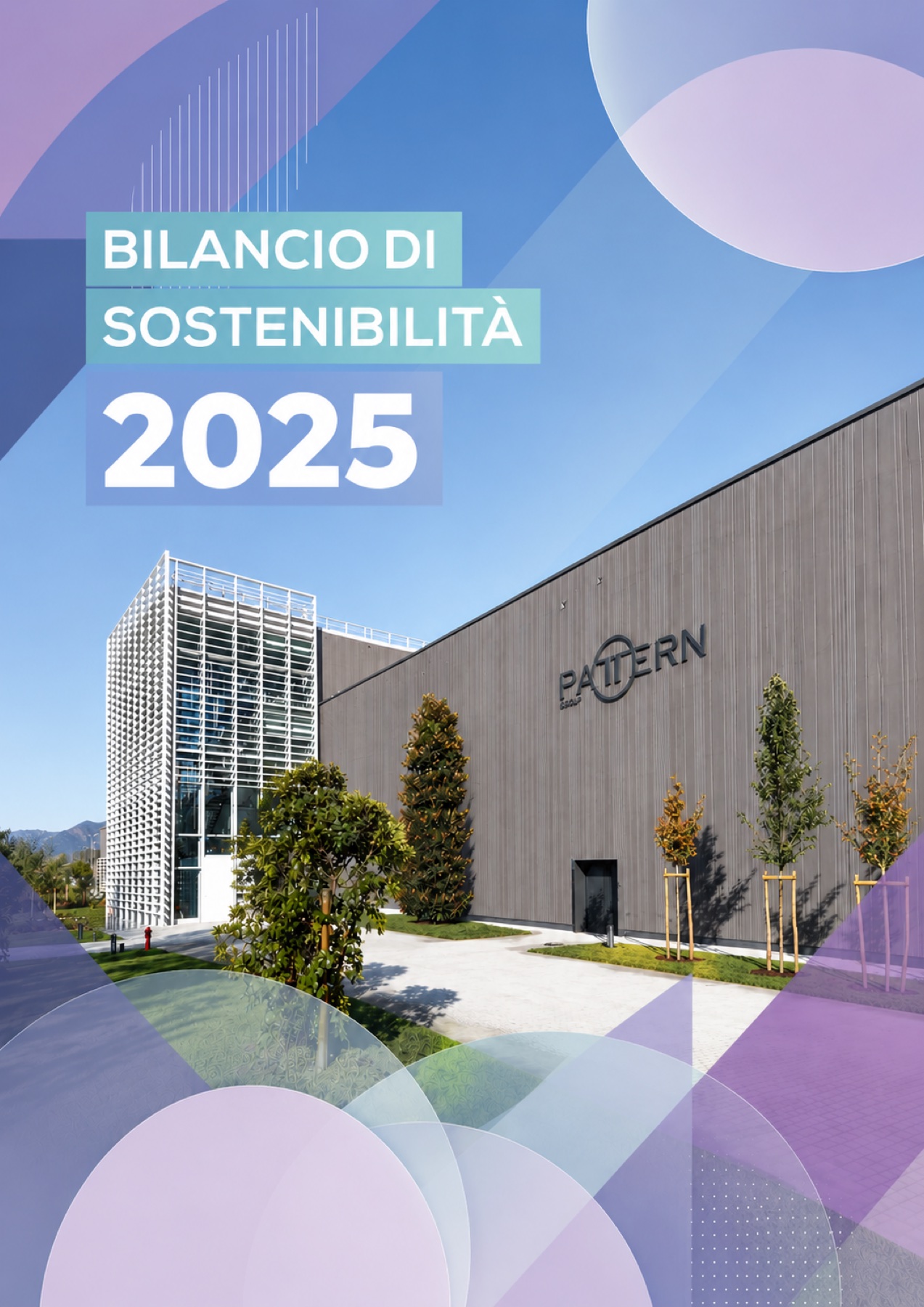
Work for D-House and Pattern Group spans events, social content and corporate communication. The visual system needs to connect these functions without reducing them to a single template.

Give content a role
Each item should inform, explain, demonstrate, engage or convert. Its role determines depth, format and call to action.
Practical actions
- Group topics into 3–5 stable themes.
- Define objective and audience for each theme.
- Remove content with no recognisable function.
Build format families
A family shares grid, typography and rhythm while allowing coherent variations for photography, data, quotes or announcements.
Practical actions
- Design systems rather than individual posts.
- Include short, medium and in-depth formats.
- Test recognition even without the logo.
Design the rhythm
The calendar should alternate intensity and purpose. A readable sequence is more useful than high but irregular frequency.
Practical actions
- Balance service, proof and storytelling content.
- Connect events through before, during and after.
- Leave room for reactive content without breaking the system.
Make production sustainable
The best system is one the team can maintain. Timing, sources, approvals and material reuse are part of the design.
Practical actions
- Define who writes, produces, approves and publishes.
- Create templates that are genuinely editable.
- Review the system using data and feedback, not taste alone.
Ready to use
Editorial preflight
- Every theme has an objective, audience and format.
- Hierarchy remains legible on every channel.
- Visual families are recognisable without becoming repetitive.
- The calendar reflects events and production capacity.
- Files, copy and approvals follow a defined flow.
Key principle
An editorial plan is already an experience design.
People should understand what they are reading, why it matters and how it connects to other content. The visual system makes that structure perceptible.