UX debt: recognise it before it becomes a redesign
Signals, criteria and priorities for addressing inconsistencies and exceptions before they slow down users, design and development.
Published · 5 September 2026Updated · 5 September 2026
00 · Premise
UX debt grows through small decisions that appear local.
A new variant, a different message, an undocumented exception: each choice can make sense alone and create friction when combined with others. Debt becomes visible in returns, errors, support requests and the time needed to design the next change.
A maintenance cycle
Observe, inventory, prioritise and repair.
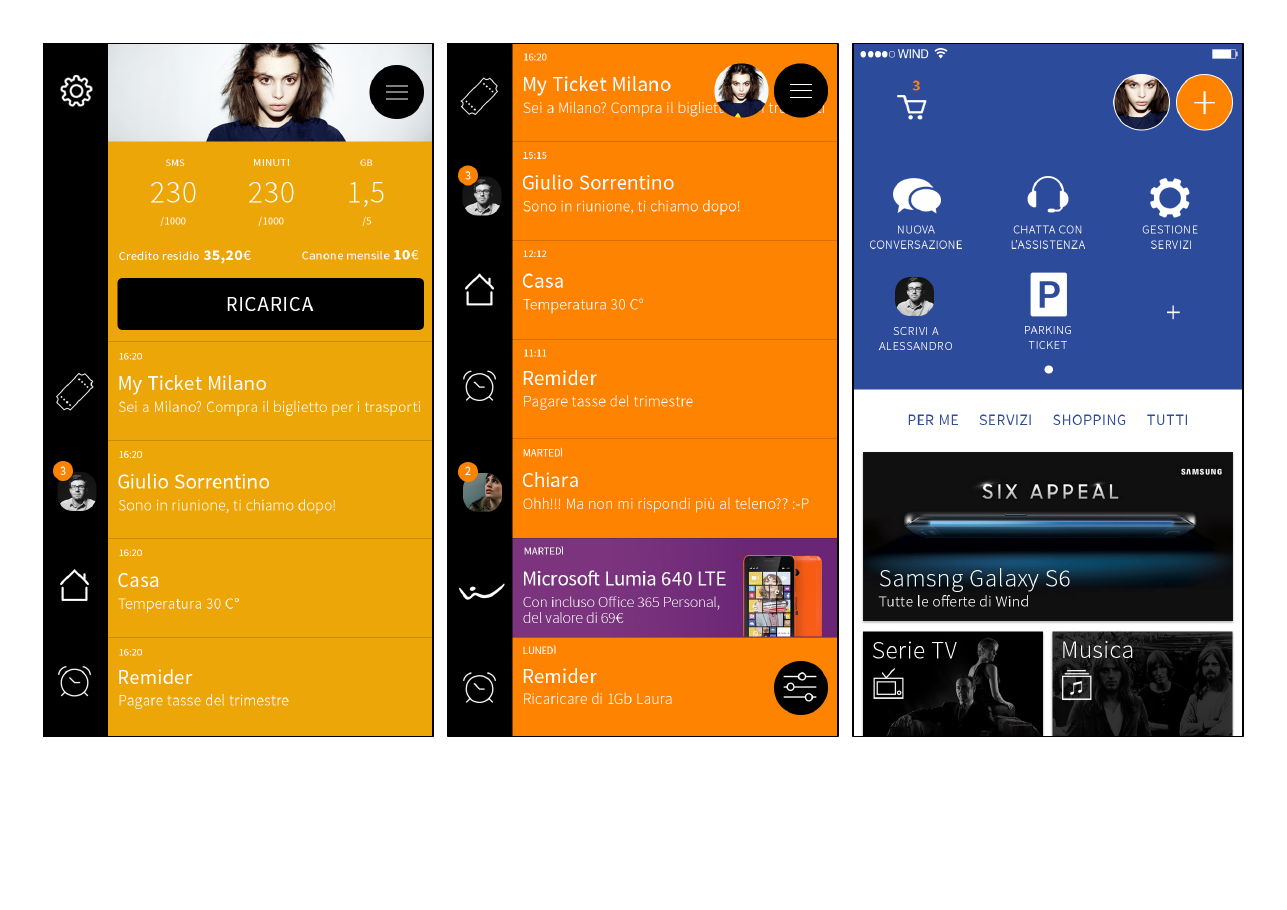
In work on Wind ecosystems, navigation concepts and preliminary structures exposed inconsistencies before they became final pages. The same principle applies to existing products: making debt observable enables progressive intervention.
- 01Observe
Collect errors, hesitation, workarounds and recurring requests.
- 02Inventory
Connect symptoms, duplicate patterns and undocumented decisions.
- 03Prioritise
Evaluate frequency, impact and the cost of propagation.
- 04Repair
Improve the pattern and verify effects on connected journeys.
Recognise weak signals
Debt is not the same as an old interface. It appears when similar cases behave differently, people work around the product or each change requires another exception.
Practical actions
- Group errors and support requests by theme.
- Look for near-duplicate components and conflicting rules.
- Note where the team needs to explain the product verbally.
Connect symptoms to causes
Redesigning the surface without understanding the cause merely moves the problem. Reconstruct the rules, content, technology and ownership producing the observed experience.
Practical actions
- Map the whole journey and involved systems.
- Separate real constraints from historical habits.
- Identify inconsistencies that propagate across journeys.
Prioritise with shared criteria
Not all debt deserves the same intervention. Frequency, severity, reach and future cost help choose between a local fix, pattern consolidation and structural revision.
Practical actions
- Evaluate impact on users and operations.
- Estimate how many product areas depend on the issue.
- Prefer changes that remove several exceptions together.
Create continuous maintenance
Debt returns if it remains an exceptional project. Decisions, components and content need ownership, update criteria and regular review.
Practical actions
- Record essential decisions and reasons.
- Assign ownership to shared patterns.
- Measure effects after every correction.
Ready to use
Signals to monitor
- Similar cases follow different rules.
- People repeat steps or seek external reassurance.
- The team uses recurring workarounds.
- Every release adds variants instead of consolidating.
- Causes affect several journeys or channels.
- A shared maintenance priority exists.
Key principle
UX debt falls when fixes become systemic.
There is no need to wait for a complete redesign. Observing signals, connecting them to causes and improving patterns lets the product get better while it continues to evolve.